
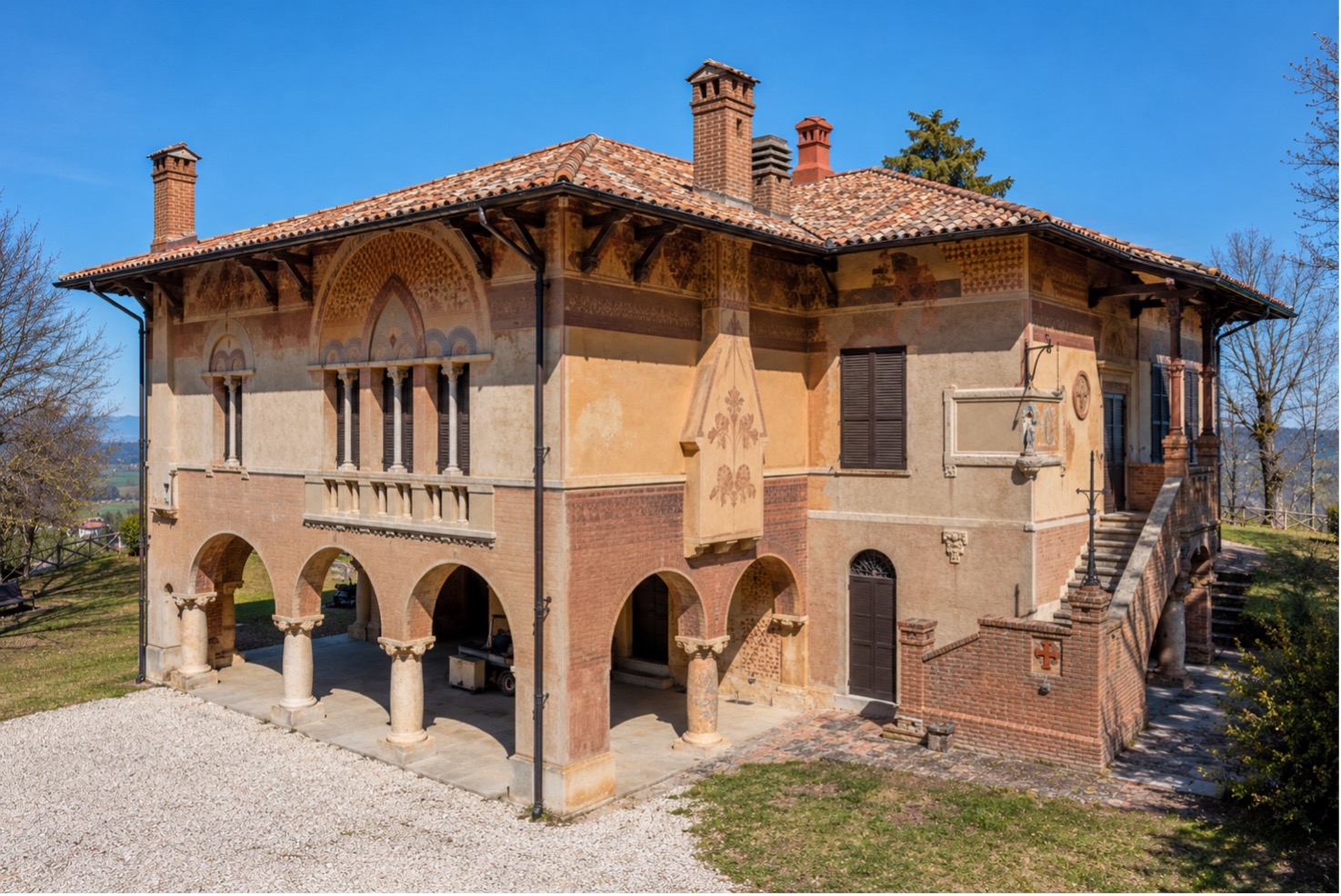
In Avolasca, on the Tortona hills, there is a street named after Alessandro Cerruti. A Genoese banker, shipowner, and passionate hunter, in the early 20th century he chose these woods as a personal retreat for his family. Here he built his hunting lodge, commissioning one of the most famous architects of the era to design it: Gino Coppedè.
That residence today is Villa Cerruti. Starting this month, we are accompanying the family on their journey to open its doors to hospitality.
A villa signed by Coppedè
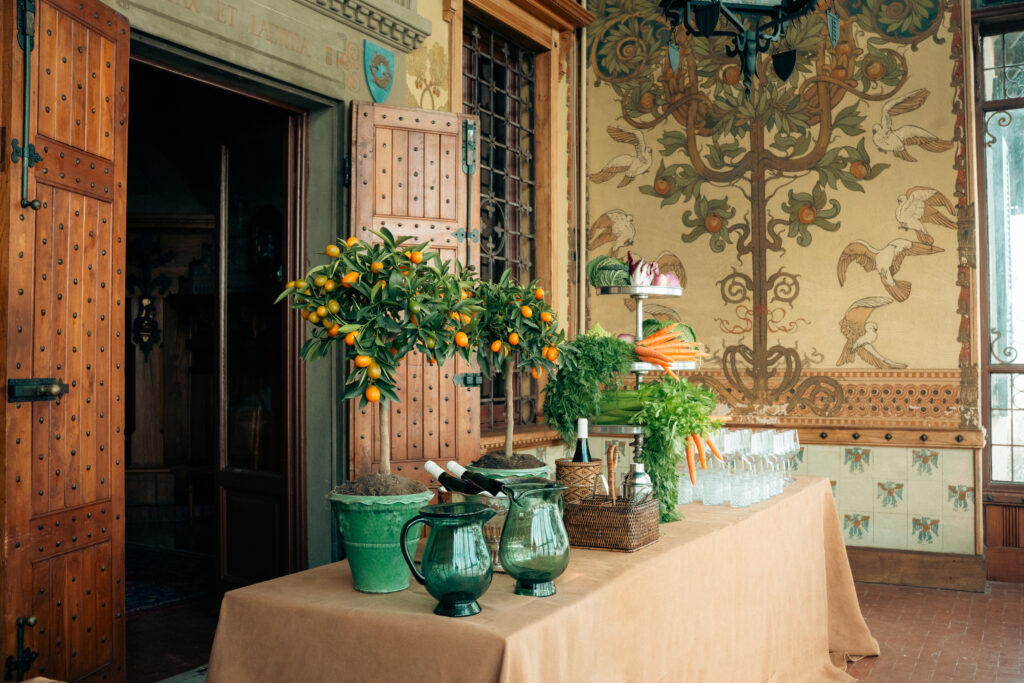
Coppedè brought his unmistakable architectural language to Avolasca—what critics of the era coined as the “Coppedè Style”: arches on columns, loggias, painted facades, and a rich blend of Neo-Gothic, Renaissance, and Art Nouveau influences. Discovering it in a small village of just a few hundred residents, tucked among woods and vineyards, is an unexpected delight.
The villa was the heart of the Cerruti family’s life in the hills: a venue for gatherings and celebrations, open to guests and locals alike. It was a bond with the village that the family nurtured beyond its estate walls. Alessandro Cerruti financed the aqueduct, brought electricity, repaved the roads, rebuilt the town hall, and built the local school. In 1926, he also donated a kindergarten to Avolasca, named in honor of his wife Maria and daughter-in-law Caterina.
For many years, the villa remained private, until March 2023, when the FAI Spring Days opened it to the public for the very first time. Today, the family is restoring its period architecture and intricate details to breathe new life into it while preserving its history.
Timorasso and Barbera on 35-million-year-old soils
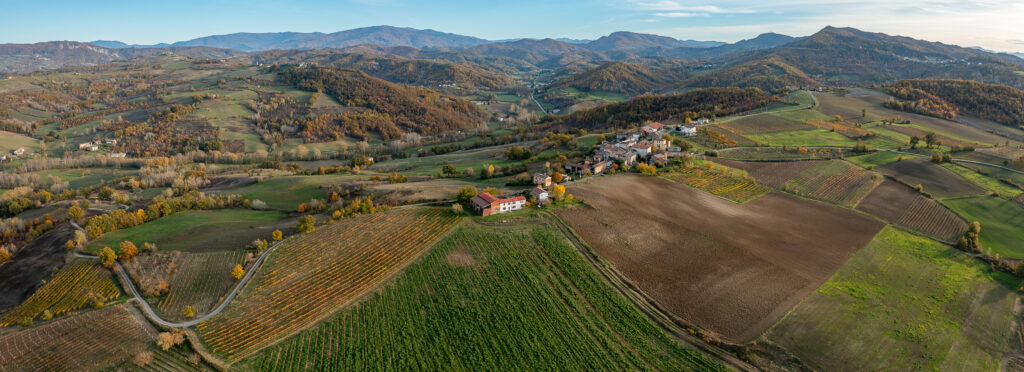
The Colli Tortonesi are a borderland, serving as a historical crossroads between Piedmont, Liguria, Lombardy, and Emilia-Romagna. This location has kept the area secluded from mass tourism, preserving its pristine agricultural landscape.
Villa Cerruti’s vineyards surround the estate in the heart of the Colli Tortonesi DOC. The soils belong to the Tertiary Piedmontese Basin, characterized by alternating layers of marl, sandstone, and conglomerates deposited around 35 million years ago when the area was covered by sea. Two key varieties thrive here: Barbera, which benefits from a warmer and drier microclimate than central Piedmont, and above all, Timorasso. This native white variety, once near extinction, was revived starting in the 1990s, received DOC status in 2005, and is now celebrated as one of Italy’s finest age-worthy white wines, Derthona.
Four wines, four personalities
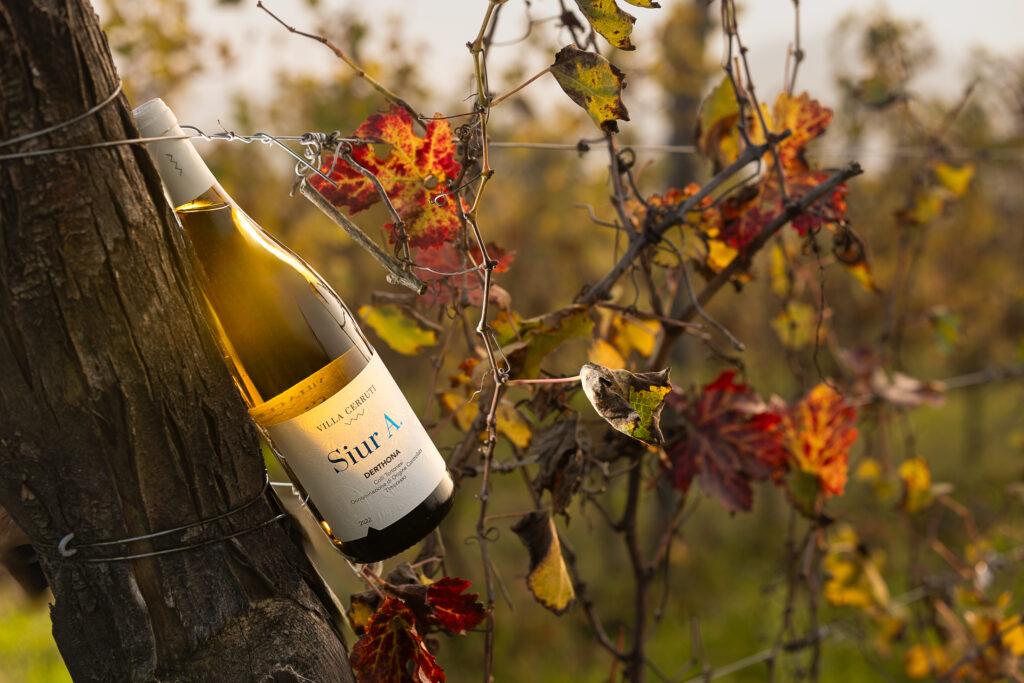
Villa Cerruti’s wine labels honor the figures who lived at the villa during its hunting days. Siur A.—meaning “Mr. Alessandro” in local dialect—is the flagship Derthona, aged for twelve months on the lees and at least another ten months in the bottle before release. Gustei, named after the estate caretaker, is the Monleale, a Barbera aged in concrete tanks and then in French oak casks. Tell and Dreo were their dogs, whose names now grace the Piccolo Derthona and the classic Barbera.
It is a detail that speaks volumes about the project: here, wine is not merely a product paired with the villa, but another narrative medium to tell its story.
Standing alongside the Cerruti family
Villa Cerruti has everything it needs to become a gathering place once again, just as it was in the days of Siur Alessandro: for ceremonies, corporate events, and food and wine experiences.
Our role is to support the family and the team bringing this new chapter of hospitality to life, ensuring this hidden corner of the Colli Tortonesi regains the recognition it truly deserves.
We are delighted to stand by their side and will share future milestones of this project here. To discover the villa and its wines, visit: villacerruti.it.