
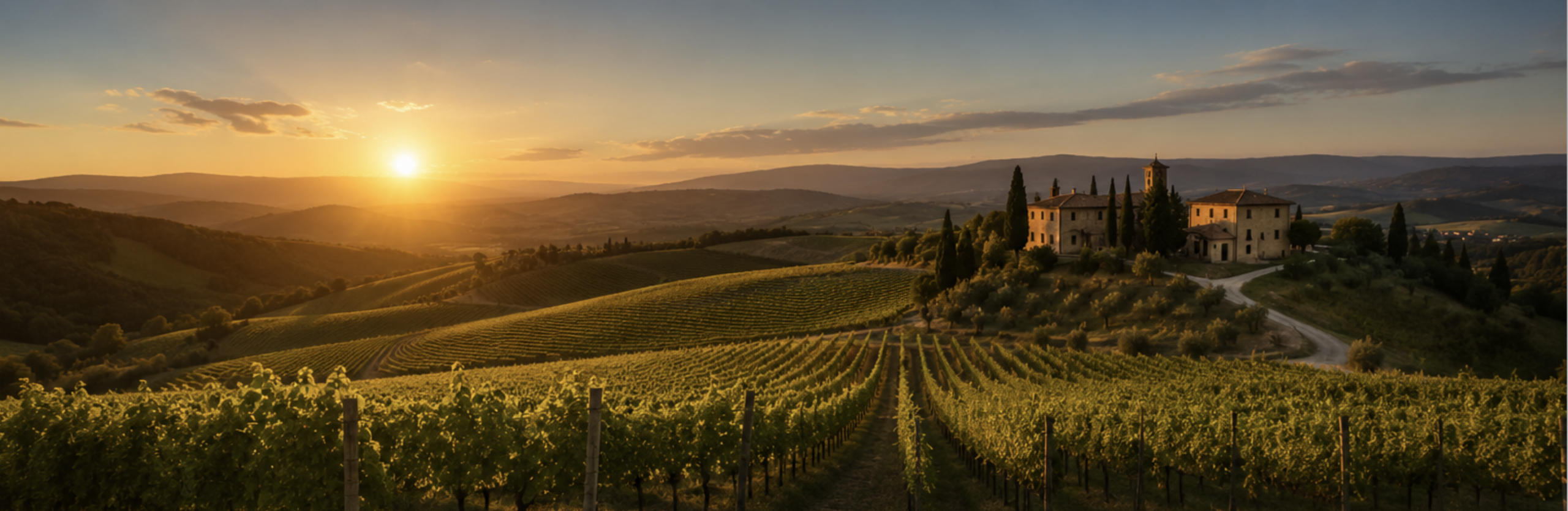
The Resilience of Global Tourism in an Increasingly Uncertain World
Despite a complex geopolitical landscape and growing international tensions, global tourism continues to demonstrate a remarkable ability to adapt.
According to the latest data released by UN Tourism, the first quarter of 2026 recorded 307 million international tourist arrivals, approximately 6 million more than during the same period in 2025. This represents a 2% increase which, while lower than initial expectations, confirms that the desire to travel remains a priority for millions of people around the world.
January and February showed particularly positive growth (+2.5%), while March experienced a noticeable slowdown (+0.4%) following the outbreak of conflict in the Middle East and the resulting impact on international transportation systems.
Tourism Is Not Slowing Down—It Is Changing Its Behavior
The most interesting development is not the numerical growth itself, but the shift in travel behavior.
Rising oil prices, challenges in aviation fuel supply in certain markets, and increasing airfares are influencing travelers’ decisions.
More and more people are choosing:
- Destinations accessible through short-haul flights;
- Regional and closer-to-home travel;
- Longer stays taken less frequently;
- Authentic, high-value experiences.
In other words, tourism is not declining—it is becoming more selective.
A Significant Opportunity for Wine Tourism
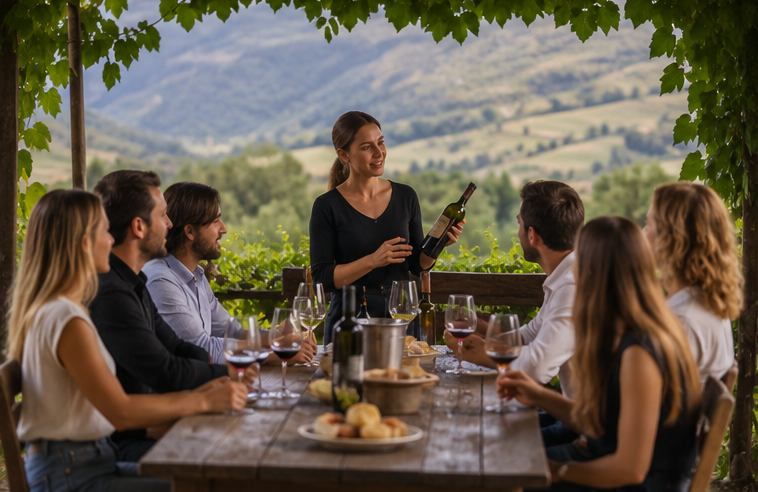
For the wine industry and Europe’s rural destinations, this evolution presents a significant opportunity.
In recent years, we have witnessed a gradual transformation in the behavior of premium travelers. Increasingly, guests are seeking experiences that combine nature, culture, gastronomy, wellness, and authenticity.
In this context, wine tourism is uniquely positioned to thrive.
Wineries are no longer simply places where wine is produced; they have become experiential ecosystems capable of offering:
- Immersive wine tastings;
- Cultural experiences and storytelling;
- Gastronomic journeys;
- Outdoor activities;
- Wellness and meaningful connections with the local landscape.
At a time when international uncertainty is increasing, destinations that convey safety, authenticity, and quality are becoming even more valuable in the eyes of travelers.
Less Volume, More Value
Another key trend emerging from recent data and market observations is that future success will not be determined solely by visitor numbers.
The most competitive destinations will be those capable of generating greater value from every guest.
For wineries, this means investing in:
- Hospitality design and guest experience planning;
- Staff training and service excellence;
- Personalized experiences;
- Local partnerships and destination collaboration;
- The development of a distinctive identity.
The objective is not to attract more visitors, but to attract the right visitors.
Looking Beyond Uncertainty
As highlighted by Shaikha Al Nuwais, tourism continues to play a fundamental role in supporting economies, creating opportunities, and sustaining local communities, even during periods of significant economic and geopolitical pressure.
The 2% growth recorded during the first quarter of 2026 may appear modest compared to the strong post-pandemic recovery years. In reality, it sends an important message: global tourism continues to move forward, adapt, and reinvent itself.
For the wine and rural hospitality sectors, the message is clear: those who can create authentic, distinctive, and high-value experiences will be best positioned to capture the demand of the years ahead.