
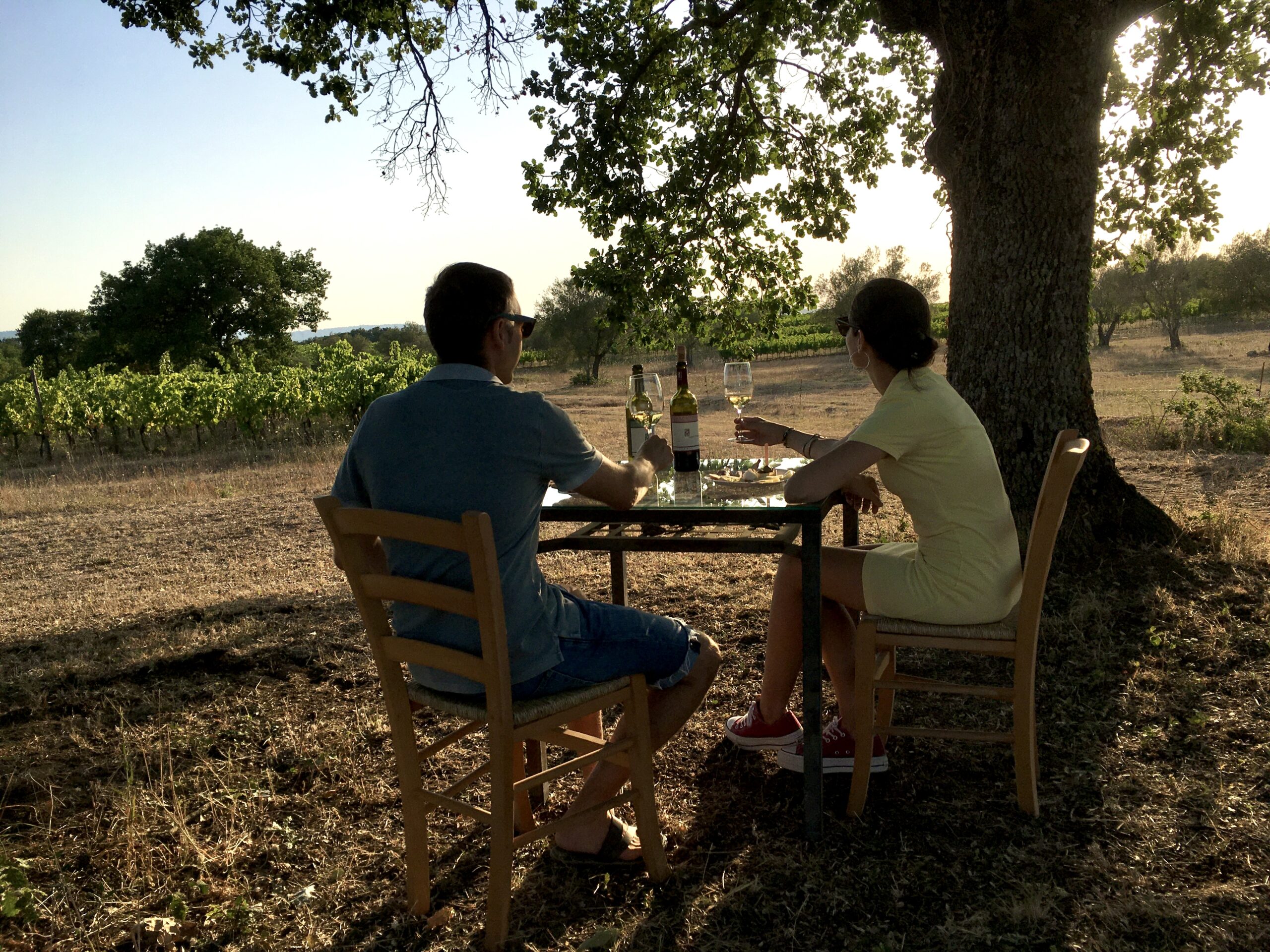
A new report offers a remarkably precise snapshot of the sector. The data compiled by Roberta Garibaldi and SRM portray an industry that is solid, profitable, and growing. No wineries are operating at a loss. Seventy-seven percent have invested over the past three years. The economic multiplier generated by food and wine tourism exceeds that of cultural, environmental, and seaside tourism.
And yet, between the lines of the numbers, a more uncomfortable truth emerges: this is a sector that knows where it wants to go, but not yet how to get there.
The problem isn’t willingness. It’s structure.
63% of wineries manage wine tourism directly through the ownership itself—without a dedicated professional, without established processes, and without a distribution strategy.
This is understandable. Wine tourism often begins with a genuine love for wine and the land. But too often, it stops there.
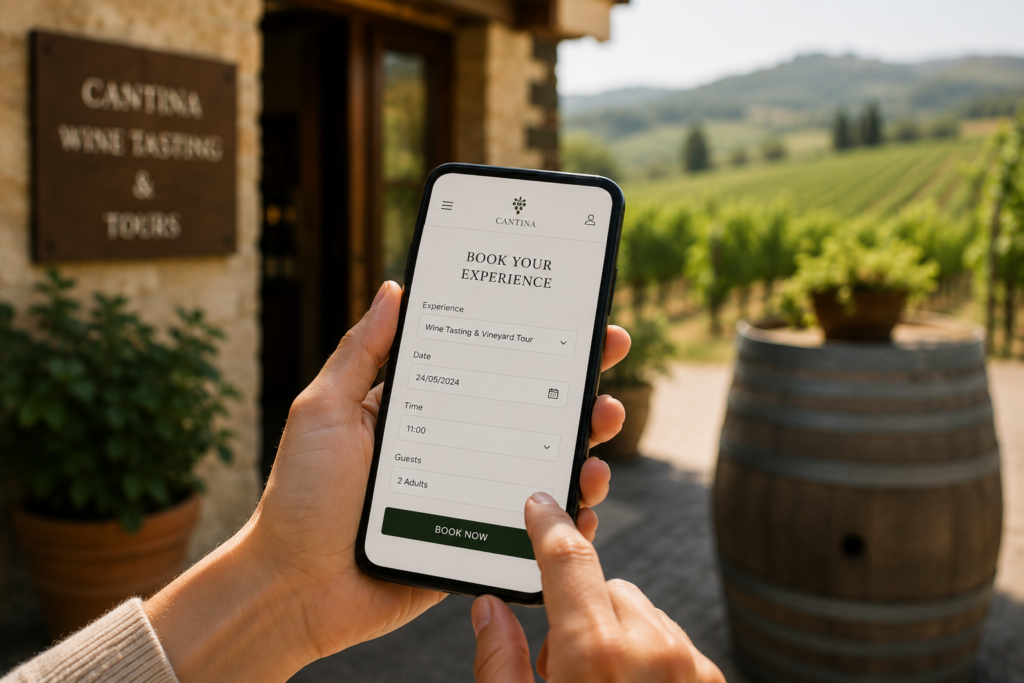
Only 25% of wineries work with digital intermediaries—tour operators, travel agencies, and experience platforms—even though these channels are growing at an annual rate of 13.5%.
95% still sell primarily through phone calls and emails. Thirty-one percent do not even offer online booking.
Meanwhile, international visitors account for just 32% of guests, well below the European average of 41%.
Not because the product is inferior. But because it isn’t where international buyers are looking for it.
The vineyard is extraordinary. Access is the problem.
In one area, Italy has no rivals: 90% of wineries offer visits both to their cellars and through the vineyards, compared with just 55–58% of their counterparts overseas. The Italian wine landscape is a genuine competitive advantage—recognizable, authentic, impossible to replicate.
The problem is that it remains invisible to those who don’t already know where to look.
Seasonality is also heavily concentrated: 68% of wine tourism activity takes place between spring and summer.
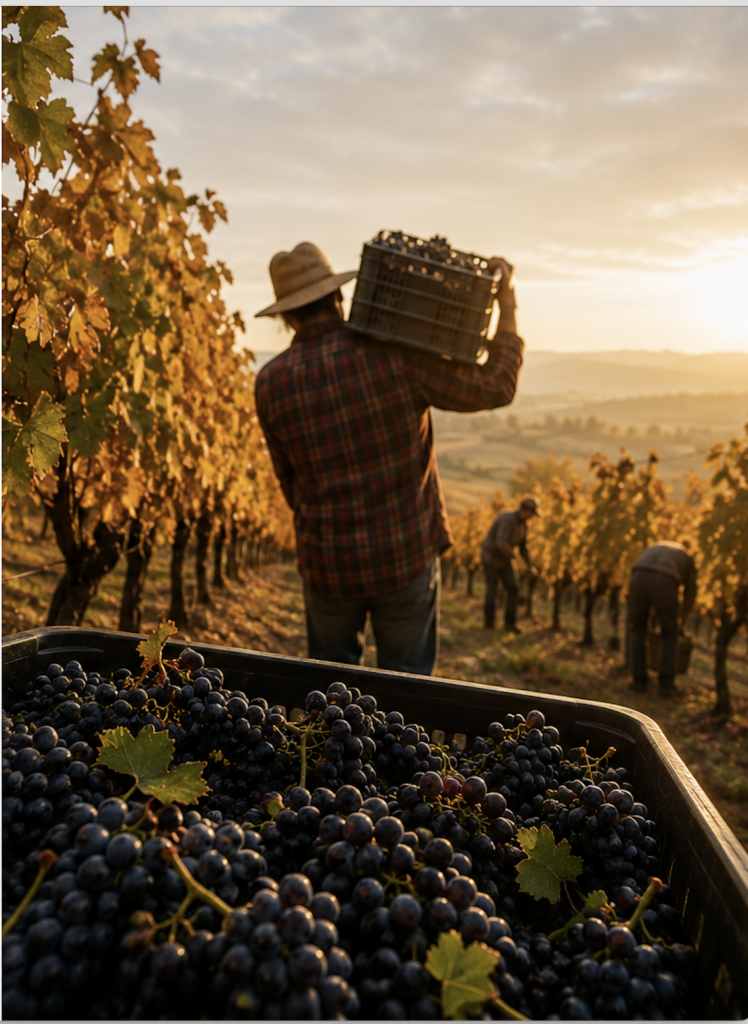
Autumn—the harvest season, perhaps the richest moment for storytelling and emotional engagement—remains underutilized. In France, these months represent the peak season. In Italy, they remain an untapped opportunity.
Investing, yes. But in what?
Those who invest perform better. The numbers are unequivocal: return on equity is almost six times higher, and revenue growth reaches 18.4%, compared with 13.1% among those who do not invest.
But the report also highlights that the type of investment matters just as much as the amount invested.
Wineries that have focused on energy efficiency, ESG initiatives, and tourism and hospitality demonstrate the strongest profiles: higher productivity and more sustained revenue growth. Those that invested exclusively in digital tools saw revenues increase, but not profitability.
The conclusion is straightforward: investing in the experience—in the quality of hospitality, in storytelling, and in the connection with the territory—delivers results that technology alone cannot guarantee.
Four profiles. One question.
The report identifies four distinct clusters among Italian wineries.
- The “Essential and Conservative Locals” remain competitive in the domestic market, but risk losing ground without further investment.
- The “Traditional Internationals” attract foreign visitors but lack the tools to fully capitalize on that demand.
- The “Growing Evolutionary Investors” are the fastest-growing group—not because they simply purchased services, but because they developed capabilities and expertise.
- The “Market-Oriented” wineries distribute through as many as eighteen channels and achieve the highest productivity levels in the sample.
The question that continues to underpin the entire report is always the same:
In which direction do wineries want to grow—and by what method?
Opening the cellar is not enough.
Food and wine tourism generates €151.7 of added value per visitor,; more than cultural tourism; more than environmental tourism; more than mountain tourism.
It is the second most economically impactful form of tourism for local territories, surpassed only by business travel.
But this value does not emerge on its own. It requires an offer that is designed, positioned, and distributed.
It requires wineries to understand who they are speaking to, where to find those audiences, what stories to tell them, and how to transform visitors into loyal customers—and eventually into ambassadors.
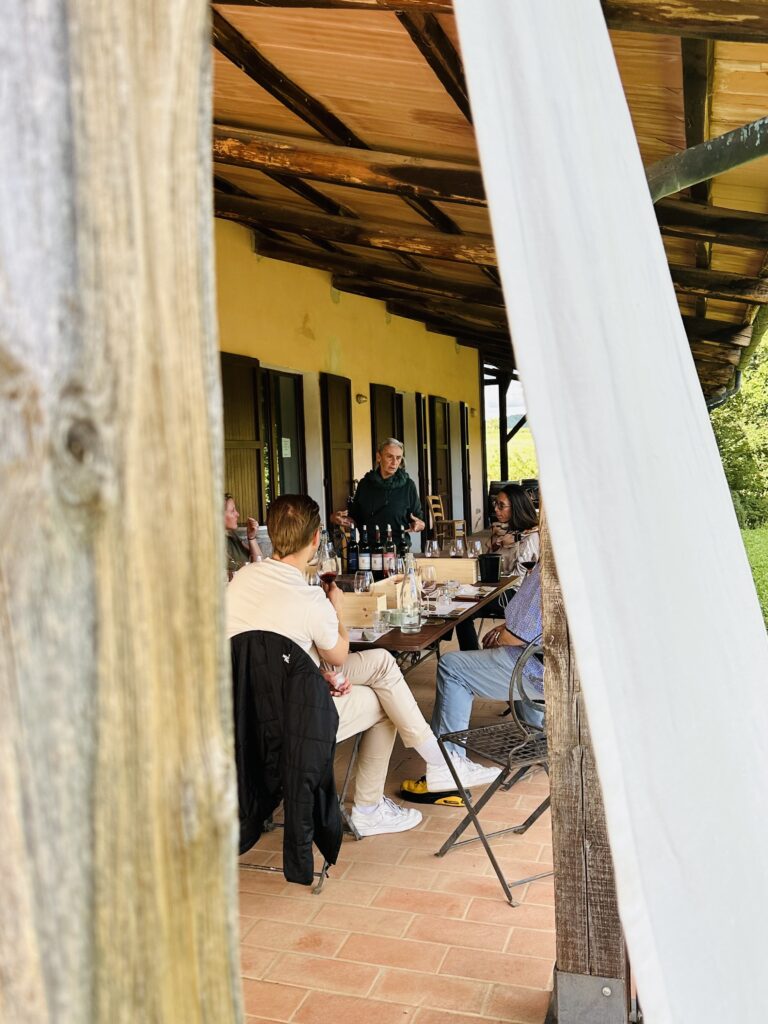
In a single word, it requires strategy.
The findings of this report confirm what we witness every day in the field: the potential of Italian wine tourism is real, measurable, and well documented. The difference between those who unlock that potential and those who leave it untapped is always decided on the same ground. Not in the quality of the wine. But in how wineries choose to tell its story, distribute their experiences, and build sustainable growth around them.
Wine Hospitality Collection works alongside selected wineries to develop wine tourism strategies that are concrete, measurable, and designed for the international market.