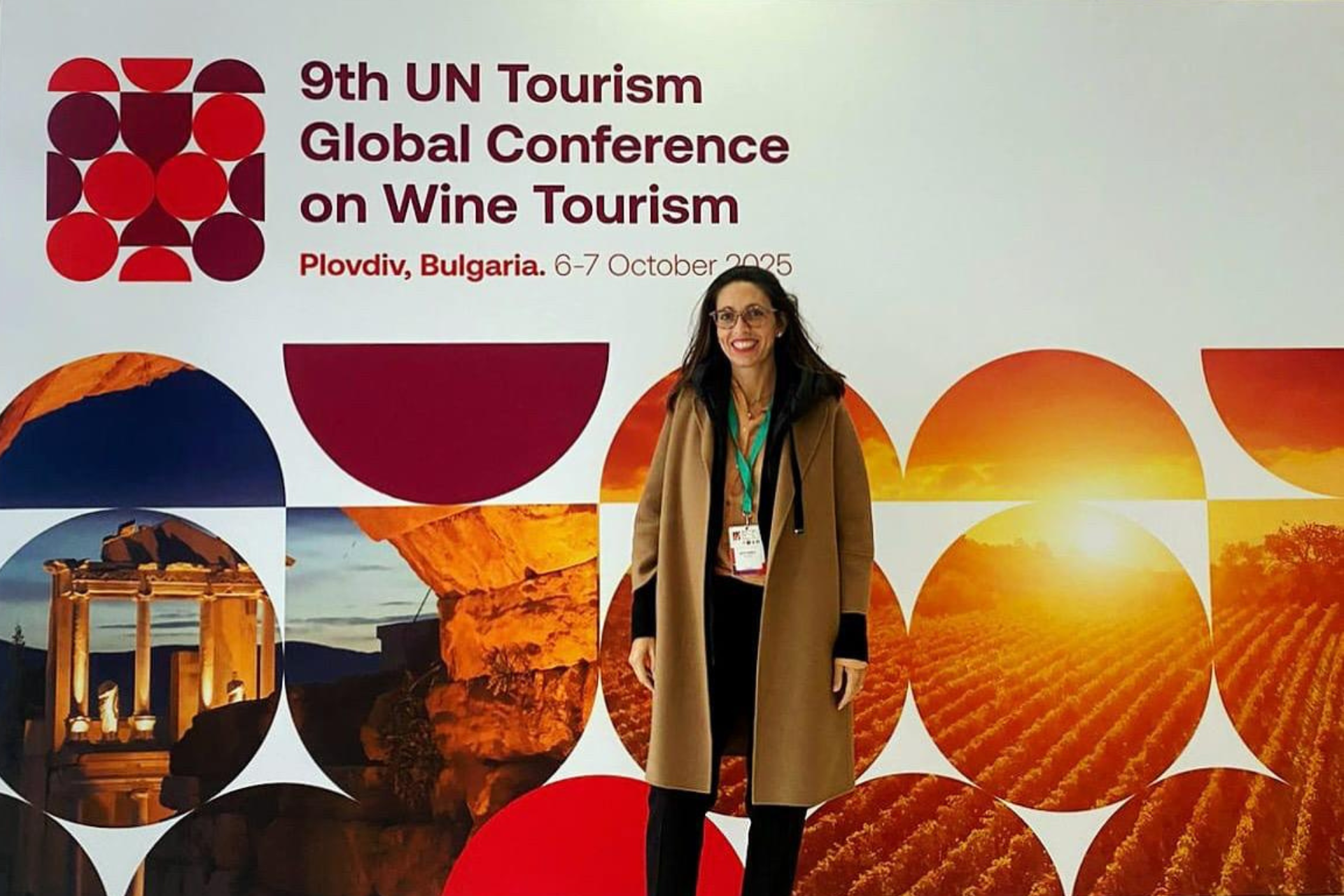
Reflections from the 9th UN Tourism Global Conference on Wine Tourism
The 9th UN Tourism Global Conference on Wine Tourism provided a clear and stimulating overview of the future of wine tourism, confirming how this segment today represents one of the most effective levers of economic, cultural, and environmental resilience for wine-producing regions.
Despite the global decline in wine consumption, wine tourism shows the opposite trend: it is growing in value, quality, and its ability to foster lasting relationships among visitors, producers, and territories. The figures presented speak for themselves:
- Two-thirds of wineries state that wine tourism is profitable, contributing an average of 25% to total revenue;
- Two-thirds consider it an integral part of their business strategy, recognizing its decisive role in sustainability and competitiveness;
- Almost half of wineries plan to further invest in the sector, and the majority are confident in the continued growth of wine tourism flows.
These data confirm that wine tourism is no longer an accessory activity, but a structural dimension of the wine business — one that strengthens brand reputation, generates economic value, and activates local economies.
Global Challenges and Adaptive Strategies
The analysis emerging from the conference highlighted a complex context: economic pressures, declining consumption, staff shortages, increasing regulations, and digital transformation. Yet, in this very scenario, wine tourism stands out as a tool for adaptation and innovation.
Some of the strongest key messages included:
- Although wine consumption is declining, wine tourism is growing.” The fall in consumption does not limit the sector’s appeal; rather, it pushes it to create experiences of connection, authenticity, and belonging — nurturing enduring relationships with visitors.
- Sustainability and social media are becoming essential pillars of competitiveness: communicating environmental and social commitment is now perceived as a tangible added value.
- Storytelling and hospitality remain the art of care — the ability to transform a simple visit into a memorable and meaningful experience.
Authenticity, Diversity, and Cooperation: The Strength of the Territories
Another central theme was the enhancement of diversity: both large estates and small wineries, when guided by authenticity, passion, and excellence, possess unique potential. However, when they work in synergy — coordinating strategies and resources — they can generate a much broader collective impact.
Cooperation among producers, local authorities, and tourism operators is therefore essential to build integrated wine tourism destinations, where wine becomes an ambassador of culture, landscape, and sustainability.
The Evolving Audience: New Generations, New Languages
The main target remains visitors aged 45 to 65, but the most significant growth is seen among the 25–44 age group, driven by interest in education, sustainability, nature, and local gastronomy.
To attract these new travelers, wineries must innovate their hospitality formats — investing in digital storytelling, experiential journeys, and cross-sector collaborations with the worlds of culture and gastronomy.
Vision, Method, and Positioning
In an increasingly competitive sector, the role of the specialized wine tourism consultant has become crucial, as also highlighted in the new White Paper on Food and Wine Tourism Professions, the result of a joint effort by the Italian Association for Food and Wine Tourism, UnionCamere, the National Association of Olive Oil Cities, the National Association of Wine Cities, CNA Tourism and Commerce, Coldiretti, Confartigianato Turismo, the National Council of Food Districts, the National Federation of Wine, Oil and Flavor Routes, and the Italian Wine Union.
The aim is to support wineries and territories in defining coherent, sustainable, and distinctive strategies — connecting entrepreneurial vision with territorial value — and in designing attractive experiences where every detail, from the story of the terroir to visitor management, from digital communication to staff training, contributes to creating a high-quality ecosystem.
Today, wine tourism is not just about hospitality — it is an evolved form of territorial branding: a way to express identity, create value, and generate tangible impacts on the community. And as highlighted during the conference, those who cultivate this vision with care and strategy will not only withstand change, but transform it into lasting growth opportunities.